
Pool Plumbing Leak Detection in Lafayette, LA
When a pool is losing water, and the source is not obvious, underground plumbing may be part of the problem. At Acadiana Pool Leak Detection, we help pool owners in Lafayette, LA, identify hidden plumbing leaks in return lines, suction lines, underground pipes, and connected system components.
Pool plumbing leaks are often harder to spot than visible surface leaks. In many cases, there is no obvious crack or visible opening in the pool itself. Instead, the issue may be buried below the surface, hidden near equipment connections, or affecting the circulation system in ways that are not easy to recognize at first.
Whether you own a residential pool or manage a commercial property, plumbing leak detection helps narrow down hidden water loss and move you toward the right repair direction.

Suspect a Hidden Pool Plumbing Leak?
If your pool is losing water and you suspect the issue may be in the plumbing lines, contact Acadiana Pool Leak Detection today for service in Lafayette and the surrounding Acadiana communities.
Call Now: (337) 573-2357
Request Service Online
Key Facts About Pool Plumbing Leak Detection in Lafayette, LA
- Underground plumbing leaks are a common source of hidden pool water loss
- Return lines and suction lines can leak without visible damage at the pool surface
- Plumbing-related leaks may affect both water level and pool performance
- Residential and commercial pools may have different plumbing layouts and leak concerns
Why Fast Pool Plumbing Leak Detection Matters
Pool plumbing leaks can continue for a long time before they are clearly noticed. Because they are often hidden underground or tied to buried lines, they may allow steady water loss without producing a visible crack inside the pool.
Over time, hidden plumbing leaks can lead to wasted water, saturated ground, soft areas around the pool, and added stress on the circulation system. They can also make repair planning harder if the issue is allowed to continue without being narrowed down.
For pool owners in Lafayette, fast plumbing leak detection helps reduce uncertainty and gives you a better chance of addressing the real issue before more water is lost.
Signs You May Need Pool Plumbing Leak Detection
If you are noticing any of the following, a plumbing leak may be worth investigating:
- The pool is losing water, but there is no visible shell crack
- You are refilling the pool more often than normal
- There are wet or soggy spots near the pool, deck, or equipment area
- The system seems to be pulling in air or having circulation issues
- You suspect a return line or suction line problem
- Water loss continues even when the pool structure looks fine
- The leak seems hidden rather than visible at the surface
Pool Plumbing Leak Detection Starts With the Right Testing Approach
Plumbing-related water loss is different from a visible structural leak. The issue may involve buried lines, return plumbing, suction plumbing, or connections near pool equipment. That is why the right testing approach matters.
The goal is to narrow down whether the leak is likely tied to the plumbing system and determine which area needs closer attention. A more accurate approach helps avoid blind digging, unnecessary repairs, and time spent chasing the wrong source.
For homeowners and commercial property managers alike, plumbing leak detection provides a more informed starting point for repair decisions.
Common Pool Plumbing Leak Areas We Inspect
Return Line Leaks
Return line leaks can allow water to escape below the surface and affect circulation performance. These issues may not show obvious signs inside the pool itself.
Suction Line Leaks
Suction-side leaks can create symptoms related to circulation, pressure, or air in the system. These concerns often require a more focused plumbing evaluation.
Underground Pool Pipe Leaks
Buried plumbing lines can leak without immediate visible signs above ground. In some cases, the only clue is unexplained water loss or soft ground in nearby areas.
Leaks Near Equipment Connections
Not every plumbing leak is deep underground. Some issues can develop around system connections, equipment-side plumbing, or transition points where components meet.
Pressure-Side Leak Concerns
Pressure-side plumbing issues may allow water loss while the system is running, making it important to understand when and how the symptoms appear.
Hidden Plumbing Leaks Below Concrete or Decking
Some plumbing leaks may be hidden beneath surrounding surfaces, making them difficult to identify without a more targeted diagnostic approach.
Learn More About Our Leak Detection Process
To learn more about how leak issues are narrowed down, visit our dedicated Pool Leak Detection Process page.Every plumbing leak concern starts with the right diagnostic direction. The exact approach may vary depending on whether the issue involves underground lines, equipment-side connections, fittings, or another hidden source.
Residential and Commercial Pool Plumbing Leak Detection
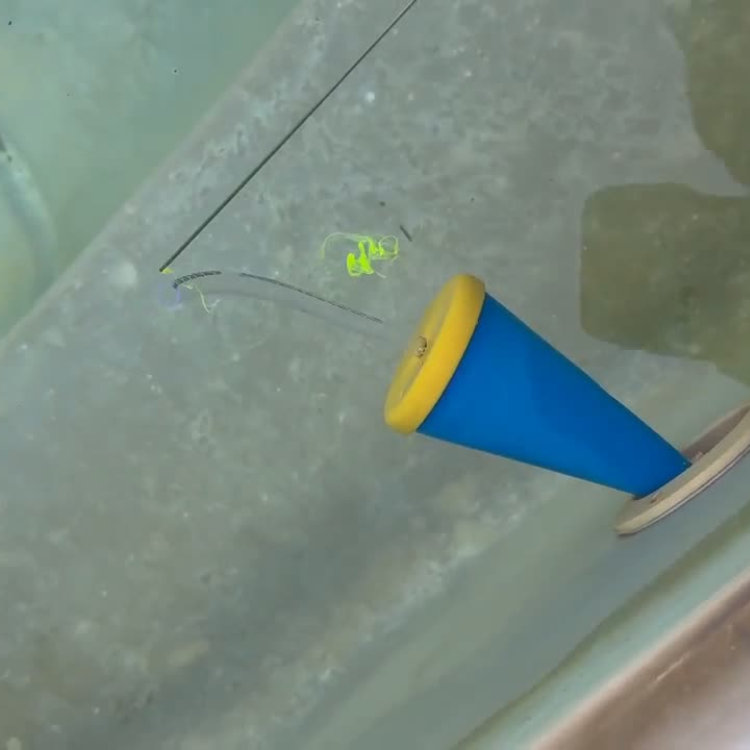
Residential Pool Plumbing Leak Detection
Homeowners often suspect a plumbing issue when the pool keeps losing water but no obvious surface crack can be found. Narrowing down hidden plumbing concerns helps protect the pool, yard, and surrounding hardscapes from continued water loss.

Commercial Pool Plumbing Leak Detection
Commercial pools often have larger systems, more plumbing, and more complex layouts. Hotels, apartment communities, fitness centers, and neighborhood pools benefit from accurate plumbing leak detection that helps reduce disruption and move repairs in the right direction.
Pool Plumbing Leak Detection in Lafayette and Surrounding Acadiana Communities
Acadiana Pool Leak Detection provides pool plumbing leak detection support for customers in Lafayette and nearby Acadiana communities. Whether the concern involves a backyard pool or a larger commercial property, local service matters when pinpointing hidden water loss.
Pool Plumbing Leak Detection vs Surface Leak Detection
Not every pool leak comes from the same place. Some leaks are connected to the pool plumbing system, while others happen around the pool surface, structure, or attached components. Knowing the difference helps narrow down the source of water loss before repair work begins.
Plumbing-Related Leaks May Involve
Plumbing-related leaks are often harder to see because the water may be escaping underground, under decking, or somewhere between the pool and the equipment area.
These leaks may involve:
Return lines
Return line leaks can allow water to escape after it leaves the equipment and is sent back into the pool.
Suction lines
Suction line leaks may affect plumbing that pulls water from the pool toward the pump and equipment.
Underground pool pipes
Underground pool pipe leaks can be difficult to locate because the leak may be hidden below soil, concrete, or decking.
Equipment-side connections
Leaks can also happen around valves, fittings, pumps, filters, or other equipment-side plumbing connections.
Pressure-side leaks
Pressure-side leaks may show up when the pool system is running and water is being pushed through the plumbing.
Surface or Structural Leaks May Involve
Surface or structural leaks are usually connected to areas where the pool shell, fixtures, seals, or attached components allow water to escape.
These leaks may involve:
Skimmers
Skimmer leaks can happen around the skimmer throat, faceplate, seal, or the area where the skimmer connects to the pool wall.
Lights
Pool light leaks may happen around the light niche, conduit, gasket, or other sealed areas connected to the fixture.
Fittings
Fittings, returns, drains, and wall penetrations can become leak points if seals or connections fail.
Cracks
Cracks in the pool surface or structure may allow water to escape depending on their size, location, and depth.
Pool shell areas
The pool shell itself can become a leak source when weak points, openings, or damaged areas allow water loss.
Pool Plumbing Leak Detection FAQ
Can a pool plumbing leak be underground?
Yes. Many pool plumbing leaks happen in buried lines where the problem is not immediately visible from the surface.
Can plumbing leaks happen without visible damage inside the pool?
Yes. A pool can lose water through plumbing lines even when the interior surface of the pool looks normal.
What are return line leaks?
Return line leaks involve the plumbing that sends water back to the pool. When these lines leak, water loss may occur below the surface and away from the visible pool shell.
Can a plumbing leak affect circulation?
Yes. Some plumbing-related problems can affect pressure, circulation, or introduce air into the system depending on the location of the issue.
Can plumbing leak detection help narrow down where repairs are needed?
Yes. The purpose of plumbing leak detection is to help identify whether the plumbing system is the likely source and which area needs closer attention before repair work begins.
Schedule Pool Plumbing Leak Detection in Lafayette, LA
If your pool is losing water and you suspect the issue may be hidden in the plumbing system, Acadiana Pool Leak Detection is here to help. We work with residential and commercial pool owners in Lafayette and surrounding Acadiana communities who need a clearer direction on hidden plumbing leaks.